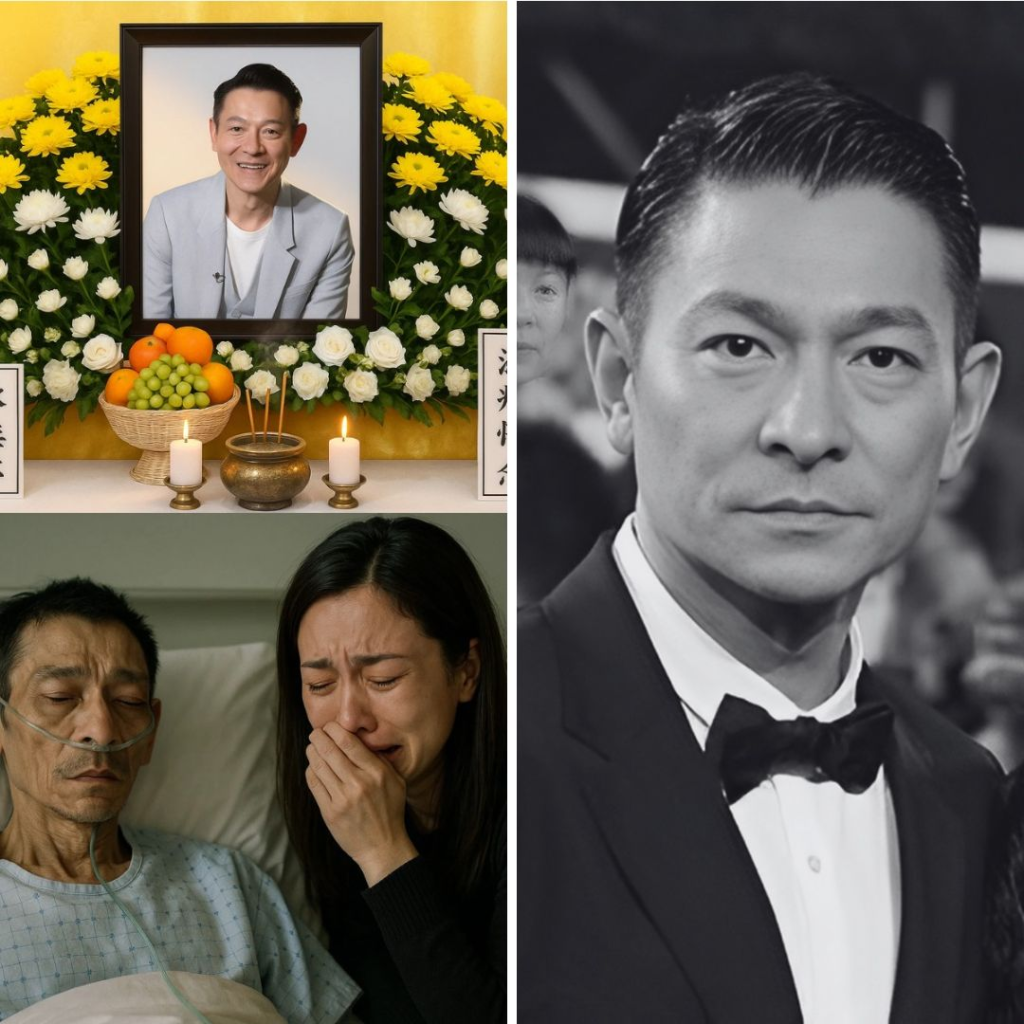
For millions across Asia, the name Andy Lau Tak-wah evokes memories of music that defined generations, films that reshaped Hong Kong cinema, and a personality that embodied discipline, humility, and perseverance. To call him a star would be insufficient—he has long been a cultural institution. Yet today, a tragic revelation has cast a shadow over his legendary career.
After a year of painful battles with a devastating illness, Andy Lau’s wife, Carol Chu, broke her silence just 15 minutes ago. Her words were brief but heartbreaking, confirming that Lau has endured repeated suffering and long-hidden health struggles while continuing to appear before the public with remarkable composure. This revelation has not only stunned fans but has also forced society to reconsider the human cost behind celebrity resilience.
The Weight of a Legend
Andy Lau is more than an entertainer. Emerging in the 1980s, he rose quickly through the ranks of Hong Kong’s entertainment industry, eventually being crowned one of the “Four Heavenly Kings” alongside Jacky Cheung, Aaron Kwok, and Leon Lai. His fame extended beyond Cantonese pop into Mandarin ballads, blockbuster films, and even international recognition.
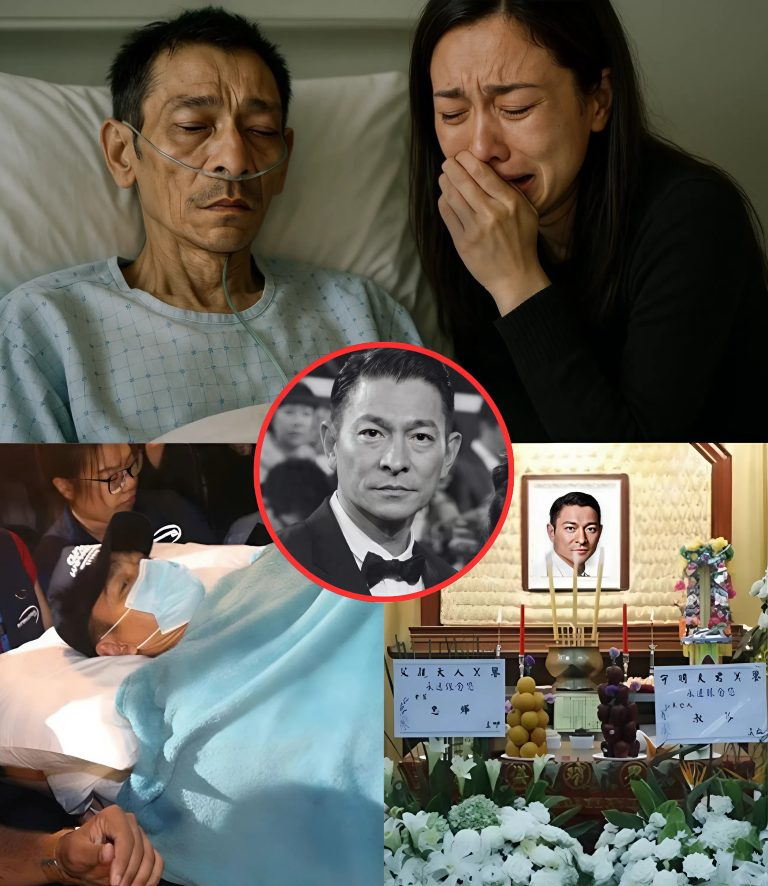
But what truly set Lau apart was not only his success but his consistency. At a time when many stars faded after a handful of hits, Lau maintained his dominance for decades. His work ethic became legendary: long filming hours, grueling tours, and an almost obsessive perfectionism. Admirers often remarked that Lau seemed “indestructible,” a man immune to fatigue and adversity.
The news of his illness shatters this perception. It reminds us that beneath the glamour, even legends are fragile.
A Silent Struggle
According to close sources, Lau’s illness has persisted for more than a year, with cycles of treatment and periods of pain that would have left most people bedridden. Yet Lau continued to appear at concerts, charity events, and industry functions. The smile fans saw was real, but it masked a private battle.
Carol Chu’s statement today confirmed what many had only whispered: that Lau endured bouts of unbearable suffering. She described nights when his pain was so intense it kept the family awake, yet by morning he would prepare for a public appearance, determined to project strength.
Her voice trembled as she said:
“He never wanted his fans to see him weak. Andy has always believed his mission was to give strength and hope, even when he himself was running out of it.”
Those words captured the essence of Lau’s character: a man who put the well-being of others—fans, colleagues, and even strangers—before his own.

Fans React with Shock and Sorrow
The response to Chu’s announcement was immediate. Within minutes, Weibo, Instagram, and Facebook were flooded with posts carrying Andy Lau’s name. Hashtags such as “Stay Strong Andy” and “Four Heavenly Kings Forever” trended across Asia.
For many, the news carried a personal sting. Lau’s songs had been the soundtrack to their youth, his films a constant in family living rooms, his perseverance an inspiration during difficult times.
Online movie streaming services
One fan in Hong Kong wrote: “He was there for us when we were growing up, now we must be there for him.”
In Malaysia, where Carol Chu was born, fan clubs began organizing prayer circles and candlelight vigils. In mainland China, streaming platforms saw sudden spikes in Andy Lau’s classic films and albums, as if audiences were reaching back to hold onto his legacy while facing the uncertainty of his future.
The Culture of Endurance in Asian Entertainment
Andy Lau’s struggle also reveals something deeper about the pressures of stardom in Asia. The entertainment industry often demands perfection: flawless performances, tireless productivity, and an image of invincibility. For decades, Lau embodied these ideals. He rarely canceled shows, avoided scandals, and consistently delivered top-quality performances.
But that discipline came at a cost. The pressure to remain strong may have contributed to his silence about his illness. For stars like Lau, vulnerability can feel like betrayal—not only of personal pride but of the millions who look up to them.
This cultural expectation is not unique to Lau. Many Asian entertainers have spoken of the near-impossible standards they are held to. Yet Lau’s case illustrates the extreme end of that spectrum: even in pain, he refused to falter.
The revelation from his wife today challenges these expectations. It forces fans and industry leaders alike to confront an uncomfortable question: should we continue to demand perfection from our idols, or should we allow them the humanity they deserve?